
When it comes to crafting homemade soap, selecting the best oils for soap making is fundamental to creating a product that cleanses effectively, nourishes the skin, and feels luxurious to use. Oils are the backbone of soap recipes, contributing to the soap’s texture, hardness, lather quality, and moisturizing properties. Understanding the characteristics of different oils allows soap makers to tailor their recipes to achieve specific results, whether that’s a creamy bar, a bubbly lather, or a moisturizing finish. To dive deeper into the best oils to use, Click here for a detailed guide.
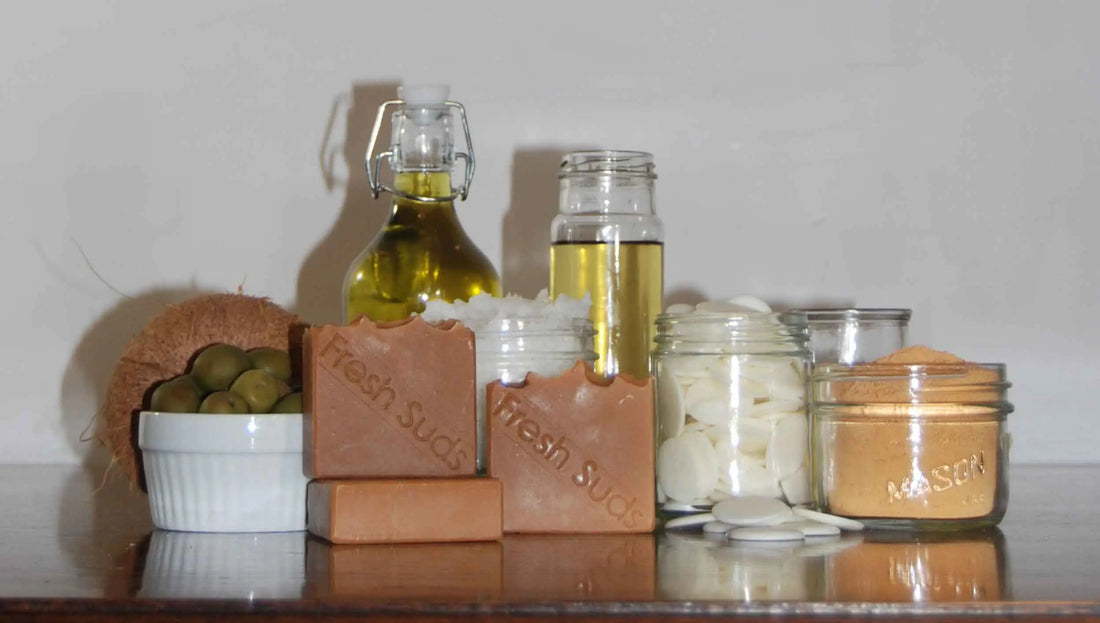
Among the most commonly used oils in soap making, olive oil stands out for its gentle and moisturizing qualities. Known for its mildness, olive oil produces a soft, creamy soap that is excellent for sensitive or dry skin. While soaps made primarily from olive oil tend to have a lower lather, they are highly nourishing and produce a lasting bar. Coconut oil is another essential oil in soap making because it adds cleansing power and abundant foam. However, it can be drying if used excessively, so soap makers often balance it with more conditioning oils.
Palm oil is traditionally favored for its ability to harden soap and improve its longevity. Despite environmental concerns, sustainable palm oil sourced from responsible plantations is becoming more common and offers soap makers an effective ingredient to ensure their soap bars hold their shape and last longer. Shea butter and cocoa butter are luxurious oils that enrich soap with extra moisture and contribute to a creamy, stable lather. These butters are ideal for making soaps that cater to dry or sensitive skin.
Castor oil, although typically used in smaller amounts, plays a vital role in enhancing lather and conditioning properties. Its inclusion creates a richer, creamier foam, improving the sensory experience of the soap. Other specialty oils like avocado and sweet almond oil bring additional vitamins and nourishment, making soaps more beneficial for the skin. Avocado oil, in particular, is rich in fatty acids and antioxidants, making it a prized choice in premium soap formulations.
The art of soap making involves blending these oils in precise proportions to balance cleansing, moisturizing, and foaming properties. For instance, a blend of olive oil, coconut oil, and castor oil is a popular combination that delivers a soap bar with good lather, softness, and skin conditioning. The proportions and types of oils selected influence not only the performance of the soap but also its shelf life and curing time. Oils rich in unsaturated fats may cause soap to become rancid faster, whereas harder oils and butters extend the shelf stability.
Choosing the best oils for soap making ultimately depends on the desired qualities of the final product and the skin type of the intended users. Natural oils not only provide cleansing and moisturizing benefits but also lend a handcrafted appeal that sets homemade soap apart from commercial varieties. Soap makers are encouraged to experiment with different oil combinations to discover unique blends that meet their personal preferences and skincare goals.
In conclusion, the best oils for soap making form the foundation of every successful soap recipe. By selecting the right oils and understanding their effects, soap makers can craft bars that are gentle, effective, and luxurious. This knowledge elevates the craft, allowing artisans to create distinctive, high-quality soaps that nourish the skin while showcasing the beauty of natural ingredients.